


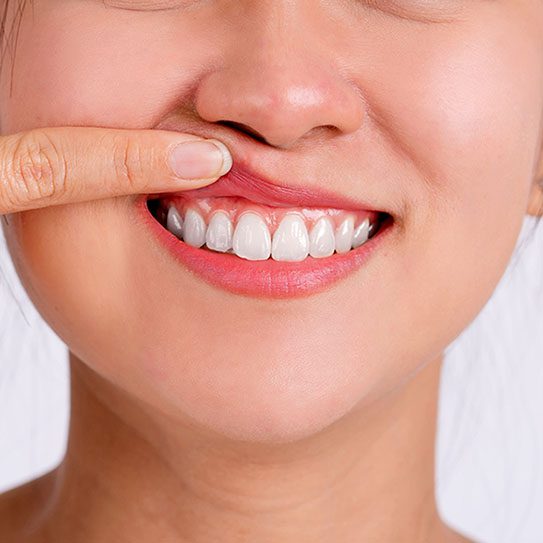
Gum recession doesn’t only affect older adults it can happen to children, teens, and adults too. When the gum tissue pulls away from the teeth, it exposes the roots, leading to sensitivity, decay, and long-term dental problems. While genetics can play a role, most cases of gum recession come from habits and conditions that can be prevented.
If you understand the causes and change a few daily habits, you can protect your gums for life. Let’s break down the major causes and the most effective ways to prevent gum disease.
What Is Gum Recession?
Gum recession occurs when the gum tissue surrounding the teeth slowly pulls away, exposing more of the tooth or its root. This makes teeth appear “longer,” which is where the phrase “long in the tooth” originally came from.
Common symptoms include:
-
Tooth sensitivity
-
Visible tooth roots
-
Gums that bleed easily
-
Notches or grooves near the gumline
-
Chronic bad breath
-
Inflamed or red gums
If untreated, gum recession can lead to bone loss and eventually tooth loss, which is why prevention is so important.
Top Causes of Gum Recession (And How to Avoid Them)
1. Overbrushing or Brushing Too Hard
Brushing harder does not mean cleaning better. Your gums are living, delicate tissue — not tiles to scrub.
Signs you are overbrushing:
-
Frayed or bent toothbrush bristles
-
Gumline sensitivity
-
Receding gums on one or both sides
How to prevent gum recession from brushing:
-
Use a soft-bristled toothbrush
-
Hold the brush with your fingertips, not your fist
-
Use gentle, circular motions
-
Replace your toothbrush every 3 months
-
Avoid snapping floss against the gums — gently curve it around each tooth
A gentler approach protects both your gums and enamel.
2. Gum Disease (Periodontal Disease)
Gum disease is one of the leading causes of gum recession. As plaque and bacteria build up, they trigger inflammation that destroys gum tissue and bone.
Signs of gum disease:
-
Swollen or bleeding gums
-
Persistent bad breath
-
Loose teeth
-
Tenderness when brushing
How to prevent gum recession caused by gum disease:
-
Brush twice daily
-
Floss every day
-
Limit sugary and sticky foods
-
Visit your dentist every 6 months
-
Treat early gingivitis before it becomes serious
Early gum disease is completely reversible — but advanced cases require professional treatment.
3. Bruxism (Teeth Grinding and Clenching)
Grinding or clenching your teeth places excessive pressure on your teeth and gums. Over time, this can cause the gums to recede and the teeth to weaken.
Bruxism often happens during sleep, so many people don’t realize they have it.
How to prevent bruxism-related gum recession:
-
Wear a custom night guard
-
Reduce caffeine and alcohol
-
Practice relaxation techniques
-
Manage stress with CBT or mindfulness
-
Correct bite alignment if needed
Protecting your teeth at night is one of the most effective ways to prevent gum recession.
4. Genetics
Some people naturally have:
-
Thin gum tissue
-
Weaker connective tissue
-
Higher risk of inflammation
While genetics can’t be changed, habits can.
What you can do:
-
Schedule regular dental cleanings
-
Maintain excellent oral hygiene
-
Treat gum disease early
-
Use a soft-bristled brush
-
Avoid aggressive brushing
Your dentist may also recommend preventive gum treatments if needed.
5. Misaligned Teeth or Bite Issues
Crowded or misaligned teeth can place uneven pressure on the gums, causing them to wear down.
How to prevent recession caused by alignment problems:
-
Consider orthodontic treatment (braces or clear aligners)
-
Treat bite problems early
-
Maintain regular check-ups
Correcting the alignment can dramatically improve gum health.
6. Poor Oral Hygiene
Neglecting your oral hygiene allows plaque to harden into tartar, which irritates the gums and leads to recession.
Simple habits that protect your gums:
-
Brush for a full 2 minutes
-
Use fluoride toothpaste
-
Rinse with an antibacterial mouthwash
-
Clean between the teeth daily (floss or interdental brush)
These small habits have a big impact over time.
7. Using Tobacco
Smoking and chewing tobacco reduce blood flow to the gums and increase inflammation, making recession more likely.
Prevention:
-
Reduce tobacco use
-
Quit altogether if possible
-
Seek support programs or nicotine alternatives
Your gums heal much faster when tobacco is removed.
Best Daily Practices to Prevent Gum Recession
Here’s a simple gum-healthy routine you can follow:
Morning Routine
-
Brush gently with a soft brush
-
Floss
-
Rinse with a non-alcohol mouthwash
-
Drink water before coffee to balance acidity
Night Routine
-
Brush before bed
-
Floss
-
Wear a night guard if you grind your teeth
-
Avoid late-night sugary snacks
Weekly Habits
-
Check your gums for redness or swelling
-
Replace your brush if bristles look worn
Every 6 Months
-
Professional dental cleaning
-
Gum health exam
When Should You See a Dentist?
Contact your dentist if you notice:
-
Sensitivity to cold or brushing
-
Gums that bleed regularly
-
Teeth that look longer
-
Gumline notches
-
Loose teeth
Early dental treatment can stop recession and protect your natural teeth.
Can Gum Recession Be Reversed?
Once the gum tissue has pulled back, it does not grow back naturally.
However, recession can be stopped — and in some cases improved — with:
-
Professional deep cleaning
-
Scaling and root planing
-
Gum grafting
-
Pinhole gum rejuvenation
-
Night guards
-
Orthodontic treatment
The earlier it’s addressed, the easier it is to manage.
Final Thoughts:
Gum recession is common, but it’s not inevitable. With gentle brushing, consistent dental care, and early attention to symptoms, you can protect your smile for decades.
If it’s been a while since your last check-up, schedule a dental visit. Your dentist can evaluate your gums, identify early signs of recession, and recommend a personalized prevention plan.
The content on this blog is not intended to be a substitute for professional medical advice, diagnosis, or treatment. Always seek the advice of qualified health providers with questions you may have regarding medical conditions.
FAQ’s
1. What is gum recession and why does it happen?
Gum recession occurs when the gum tissue pulls away from the teeth, exposing more of the tooth or its root. It can happen due to overbrushing, gum disease, genetics, teeth grinding, or improper oral hygiene. Early detection helps prevent long-term damage.
2. Can gum recession be prevented?
Yes. Most cases of gum recession can be prevented with gentle brushing habits, daily flossing, regular dental cleanings, and treating gum disease early. Using a soft-bristled toothbrush and avoiding excessive pressure are key steps.
3. Can teeth grinding cause gum recession?
Yes. Chronic grinding or clenching places excessive pressure on the gums and teeth, which can lead to recession. Wearing a night guard and managing stress can help reduce grinding.
4. How can I tell if my gums are receding?
Common signs include longer-looking teeth, notches near the gumline, sensitivity to cold, or gums that bleed easily. If you notice these symptoms, schedule a dental exam promptly.
5. How can I strengthen my gums naturally?
Good oral hygiene is the best natural method. Brush gently twice a day, floss daily, rinse with an antibacterial mouthwash, stay hydrated, and limit sugary foods. Avoid smoking and tobacco, which weaken gum tissue.
6. When should I visit a dentist for gum recession?
Visit a dentist if you notice gum sensitivity, exposed roots, bleeding, inflammation, or teeth that appear longer. Early treatment prevents further recession and protects your teeth.
